The Australian landscape, renowned for its unique biodiversity, faces an ongoing threat from invasive plant species. These unwelcome botanical invaders disrupt native ecosystems, outcompete local flora, and alter fire regimes across the continent. Land managers and environmental organizations maintain detailed removal lists targeting these problematic species, with eradication efforts varying from suburban backyards to vast wilderness areas.
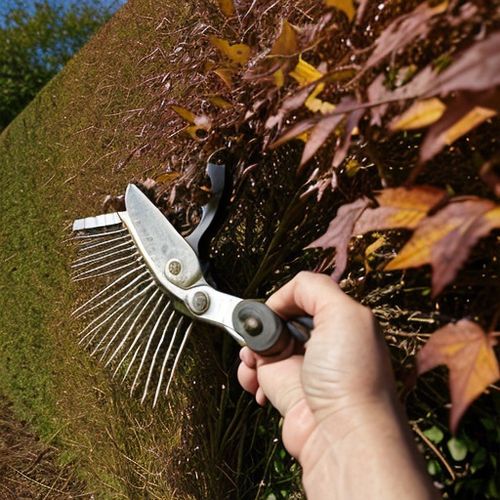
Among the most notorious invaders is lantana (Lantana camara), a deceptively attractive shrub with clusters of multicolored flowers. Originally introduced as an ornamental plant in the 19th century, it now smothers native vegetation across eastern Australia. The plant's toxic leaves deter herbivores while its dense thickets create fire hazards and provide shelter for feral animals. Removal requires persistent effort – cutting alone proves ineffective as the plant resprouts vigorously, demanding follow-up herbicide treatment of stumps.
Blackberry (Rubus fruticosus agg.) represents another formidable adversary, particularly in temperate regions. European settlers introduced this thorny menace for fruit production, unaware it would eventually infest over 8 million hectares. Its sprawling canes form impenetrable barriers that prevent native seedling establishment while altering watercourse dynamics. Effective control combines mechanical removal with carefully timed herbicide application during flowering, though complete eradication often requires years of follow-up treatment.
The story of prickly pear (Opuntia spp.) serves as both cautionary tale and success story. These cactus species, introduced in the 1800s as living fences and cattle feed, eventually rendered 26 million hectares of Queensland and New South Wales unusable by the 1920s. The introduction of Cactoblastis moths as biological control agents achieved what mechanical and chemical methods couldn't, demonstrating the potential of integrated pest management strategies when addressing widespread infestations.
Water systems face their own invaders, with water hyacinth (Eichhornia crassipes) choking vital waterways. This floating plant multiplies alarmingly, forming dense mats that reduce oxygen levels and block sunlight, devastating aquatic ecosystems. Manual removal provides temporary relief but fails to address the underlying issue – each fragmented plant can regenerate, making containment efforts extraordinarily labor-intensive. Biological controls using specific weevils have shown promise in northern territories where the plant thrives in tropical conditions.
Urban environments contend with different invaders, particularly along roadsides and disturbed areas. Paterson's curse (Echium plantagineum) paints paddocks purple each spring while poisoning livestock and displacing native wildflowers. Its prolific seed production (up to 30,000 seeds per plant) ensures persistent soil seed banks that may remain viable for over five years. Successful management combines strategic grazing, herbicide application, and the introduction of competitive pasture species to prevent reinfestation.
Climate change complicates eradication efforts as shifting temperature and rainfall patterns allow some invaders to expand their range. Madeira vine (Anredera cordifolia), for instance, finds new territories opening as frost lines retreat. This climbing succulent smothers canopy trees, its weight causing branch collapse while underground tubers resist conventional removal methods. Heat-treated mulch made from removed vines shows promise as an innovative control technique that prevents resprouting while recycling biomass.
Traditional removal methods evolve alongside scientific understanding. Where once the approach focused solely on chemical controls, contemporary integrated weed management emphasizes prevention, early detection, and ecological restoration. The "dirty dozen" lists maintained by regional councils prioritize species based on invasiveness and feasibility of control, recognizing that complete eradication of widespread species may prove unrealistic. Instead, containment and impact reduction become primary objectives for well-established invaders.
Community involvement proves critical in detection and removal efforts. Citizen science programs train volunteers to identify emerging threats like African lovegrass (Eragrostis curvula) before they become entrenched. Landcare groups organize working bees to tackle local infestations, combining manual removal with native revegetation. This grassroots approach not only addresses the immediate problem but fosters long-term environmental stewardship among participants.
Legislation supports these efforts through biosecurity laws that restrict the sale and movement of known invasive species. State-specific noxious weed lists mandate control measures for landowners, with penalties for non-compliance. However, enforcement remains challenging, particularly when dealing with ornamental plants that still find their way into suburban gardens through online plant trading networks.
The economic impact of invasive plants justifies these extensive control measures. Estimates suggest invasive species cost Australian agriculture over $4 billion annually through lost productivity and control expenses. Environmental costs prove harder to quantify but no less significant – altered fire regimes, soil degradation, and biodiversity loss create cascading effects throughout ecosystems.
Emerging technologies offer new hope in this ongoing battle. Drones equipped with multispectral cameras detect early infestations in remote areas, while genetic research explores potential biocontrol solutions. Soil sterilization techniques using solarization show promise for treating seed banks in localized areas, particularly for annual invaders that rely on persistent soil-stored seeds.
Successful removal requires understanding each species' life cycle and vulnerabilities. Morning glory (Ipomoea spp.) demands pre-flowering intervention to prevent seed set, whereas woody weeds like boneseed (Chrysanthemoides monilifera) require stem injection during active growth periods. Regional differences in climate and soil types further complicate timing and method selection, necessitating localized knowledge for effective control.
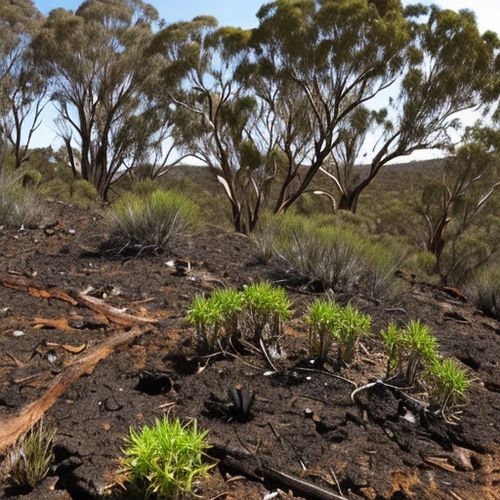
The future of invasive plant management in Australia lies in adaptive strategies that combine traditional knowledge with scientific innovation. Aboriginal land management practices, particularly the use of controlled burning, show potential for managing certain fire-adapted weeds. Meanwhile, research continues into allelopathic native species that might suppress invaders through natural chemical interactions.
Ultimately, protecting Australia's unique ecosystems from botanical invaders requires sustained effort, adequate funding, and community engagement. While complete eradication of established species remains unlikely for many invaders, strategic management can minimize their ecological impact and prevent new introductions. The national weed removal lists serve not just as guides for action, but as reminders of the delicate balance within Australia's extraordinary natural environments.

By Victoria Gonzalez/Apr 14, 2025

By Sophia Lewis/Apr 14, 2025

By Laura Wilson/Apr 14, 2025

By William Miller/Apr 14, 2025
By Victoria Gonzalez/Apr 14, 2025
By Natalie Campbell/Apr 14, 2025

By Benjamin Evans/Apr 14, 2025

By George Bailey/Apr 14, 2025

By Amanda Phillips/Apr 14, 2025

By Joshua Howard/Apr 14, 2025

By Emily Johnson/Apr 14, 2025
By Victoria Gonzalez/Apr 14, 2025

By Grace Cox/Apr 14, 2025

By Christopher Harris/Apr 14, 2025
By David Anderson/Apr 14, 2025

By Grace Cox/Apr 14, 2025

By Thomas Roberts/Apr 14, 2025

By Olivia Reed/Apr 14, 2025

By William Miller/Apr 14, 2025

By Grace Cox/Apr 14, 2025