Winter Protection for Texas Cacti

Apr 14, 2025 By Christopher Harris

As winter approaches, gardeners and plant enthusiasts in Texas face the annual challenge of protecting their beloved cacti from the harsh cold. While these resilient plants are well-adapted to scorching summers, many species are surprisingly vulnerable to freezing temperatures. The key to successful cactus winterization lies in understanding both the unique needs of these plants and the unpredictable nature of Texas winters.


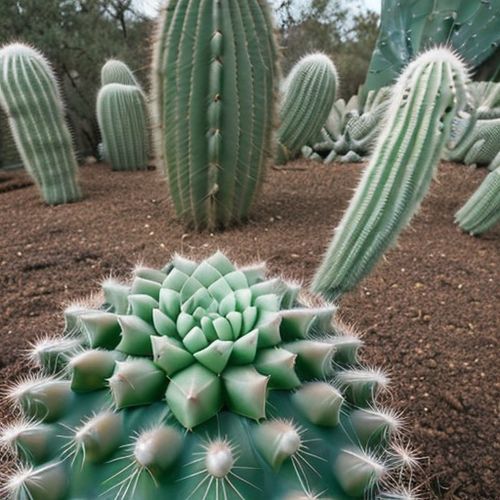
Texas boasts an incredible diversity of native cacti, from the iconic prickly pear to the towering saguaro-like pitaya. Each species has its own cold tolerance threshold, with some varieties like the Opuntia engelmannii (prickly pear) surviving brief dips to 10°F, while others such as the Echinocereus reichenbachii (lace cactus) may suffer damage at anything below 25°F. This variability means blanket protection methods often fail, requiring a more nuanced approach tailored to specific cactus types in your collection.


The first signs of cold stress often appear subtly. Discoloration - typically a reddish or purple hue - serves as nature's warning system that your cactus is experiencing temperature distress. Left unprotected, the plants may develop soft, mushy spots indicating cellular damage from ice crystal formation. In severe cases, entire segments collapse as the vascular system fails, leaving behind a heartbreaking pile of what was once a thriving specimen.


Microclimates play a crucial role in winter survival strategies. Urban heat islands in cities like Houston or Dallas often provide several degrees of frost protection compared to rural areas. Conversely, low-lying regions in the Hill Country become cold air sinks, creating dangerous frost pockets. Savvy gardeners use this knowledge to position sensitive specimens near south-facing walls that absorb daytime heat and radiate it slowly through the night.


Water management becomes critical as daylight hours shorten. While conventional wisdom suggests withholding water entirely, many desert cacti actually benefit from deep but infrequent watering during early winter to prevent excessive dehydration. The trick lies in perfect timing - the soil must be completely dry before temperatures drop below freezing. Overwatered cacti burst like overfilled water balloons when their cells freeze, while severely dehydrated plants lack the turgor pressure needed to maintain structural integrity.


Physical protection methods vary by cactus size and growth habit. For smaller specimens, simple overturned terra cotta pots provide surprisingly effective insulation while allowing air circulation. Larger columnar cacti often require creative solutions - some gardeners swear by wrapping them in strings of old-fashioned incandescent Christmas lights (not LEDs) beneath frost cloth, creating a gentle warmth that prevents freezing. The most elaborate protections involve temporary wooden frames draped with thermal blankets, essentially creating miniature greenhouses around prized specimens.


Container-grown cacti present both challenges and opportunities. While potted plants enjoy the advantage of mobility - allowing relocation to sheltered areas - their roots face greater cold exposure than in-ground specimens. Insulating pots with bubble wrap or burying them in mulch can mean the difference between survival and loss. Some collectors employ heated propagation mats under particularly valuable container specimens, maintaining just enough soil warmth to prevent root damage.


The great thaw often proves more dangerous than the freeze itself. Rapid temperature fluctuations cause more cellular damage than sustained cold, as repeated freezing and thawing cycles literally tear plant tissues apart. This explains why West Texas cacti often fare better than their coastal counterparts - the desert's consistently cold nights prove less damaging than the Gulf Coast's rollercoaster temperature swings.


Post-freeze care requires restraint. While the urge to immediately remove damaged sections is strong, these areas actually serve as protective barriers for surviving tissue. Premature pruning opens pathways for opportunistic pathogens. Instead, patience proves paramount - waiting until consistent warm weather returns allows the plant to naturally compartmentalize damage on its own timeline. When finally removing dead material, sterilized tools and careful cuts prevent secondary infections.


Texas' unpredictable winters demand flexible strategies. The same garden might require different approaches in consecutive years - one winter calling for all-out protection efforts, the next needing barely any intervention. This variability frustrates newcomers but keeps seasoned cactus enthusiasts perpetually engaged in the delicate dance between nature's whims and human stewardship.


Beyond physical protection, psychological preparation matters equally. Even with perfect care, some losses are inevitable when pushing plants to their climatic limits. The true test comes in spring, when survivors reward patience with vibrant blooms - nature's validation of efforts well spent. These floral displays don't just represent biological success; they symbolize the enduring partnership between Texan gardeners and these spiny desert ambassadors.


Ultimately, cactus winterization transcends mere horticulture. It represents a philosophical middle ground between control and surrender, between intervention and acceptance. Each protected cactus becomes a living testament to human dedication meeting natural resilience - a spiny, stubborn symbol of life persisting against the odds in the Texas winter landscape.


Recommend Posts
Life

European Herbal Tea Drinking Taboos

By Victoria Gonzalez/Apr 14, 2025

The world of European herbal infusions is as rich in history as it is in flavor. For centuries, communities across the continent have turned to chamomile meadows, peppermint patches, and elderflower bushes not just for refreshment, but for their perceived medicinal properties. Yet beneath the steaming surface of these fragrant brews lies a complex tapestry of contraindications that modern consumers would do well to understand.
Life

Purchase of Over-the-Counter Medications in the United States

By Sophia Lewis/Apr 14, 2025

The American over-the-counter (OTC) medication market represents a fascinating intersection of consumer healthcare, regulatory oversight, and cultural attitudes toward self-treatment. Unlike many countries where even basic pain relievers require a pharmacist's approval, the U.S. maintains a remarkably open system that places trust in consumers to make informed decisions about their health. This approach has shaped not only pharmacy shelves but also how Americans perceive and manage minor ailments.
Life

Japanese Pharmacy Store Classification Signs

By Laura Wilson/Apr 14, 2025

Walking into a Japanese drugstore for the first time can feel like stepping into a labyrinth of colorful packaging and unfamiliar kanji characters. The sheer variety of products crammed into these compact stores overwhelms even seasoned shoppers. What appears chaotic at first glance, however, follows a meticulously organized system of categorization that reflects Japanese consumer culture's precision and practicality.
Life

Japanese Earthquake Furniture Anchor Hooks

By William Miller/Apr 14, 2025

Japan, a country frequently struck by earthquakes, has long been a pioneer in developing innovative solutions to mitigate the damage caused by seismic activity. Among these solutions, furniture fixing hooks have emerged as a crucial tool in ensuring household safety. These unassuming devices play a significant role in preventing injuries and property damage during tremors, reflecting Japan’s meticulous approach to disaster preparedness.
Life

Register for the U.S. Community Alert System

By Victoria Gonzalez/Apr 14, 2025

The United States community alert system represents a critical infrastructure designed to keep citizens informed and safe during emergencies. From natural disasters to public safety threats, these notification networks serve as lifelines for millions of Americans. While many residents assume emergency alerts will reach them automatically, the reality is more nuanced. Registration often proves necessary to ensure you receive timely warnings tailored to your specific location and needs.
Life

Building Kiwifruit Trellises in New Zealand

By Natalie Campbell/Apr 14, 2025

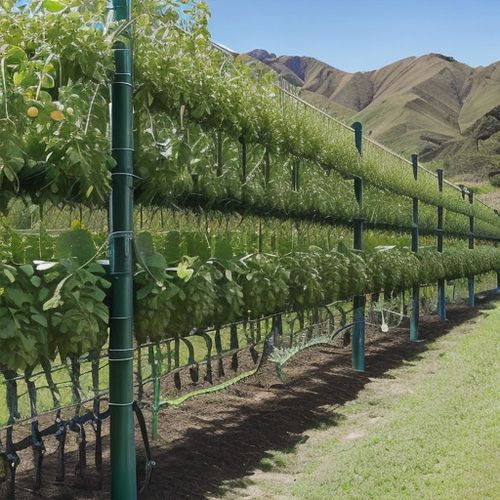
The art of building kiwifruit trellises in New Zealand is a practice refined over decades, blending agricultural expertise with innovative engineering. As one of the world’s leading producers of kiwifruit, New Zealand’s approach to trellising is both a science and a craft, ensuring optimal growth conditions for the vines while maximizing yield and fruit quality. The process is far more than just erecting posts and wires—it’s about creating a sustainable structure that can withstand harsh weather, support heavy fruiting loads, and facilitate efficient orchard management.
Life

Soil Improvement in Swiss Alpine Gardens

By Benjamin Evans/Apr 14, 2025

The Swiss Alpine gardens, renowned for their breathtaking beauty and unique biodiversity, face significant challenges due to the harsh mountainous environment. The thin, rocky soils and extreme weather conditions make it difficult for plants to thrive. Over the years, Swiss horticulturists and environmental scientists have developed innovative soil improvement techniques to transform these barren landscapes into flourishing gardens. These efforts not only enhance the aesthetic appeal but also contribute to the conservation of rare alpine flora.
Life

Florida Hurricane-Resistant Yards

By George Bailey/Apr 14, 2025

The threat of hurricanes looms large over Florida, a state that has weathered some of the most devastating storms in U.S. history. As climate change intensifies, the frequency and severity of these natural disasters are expected to rise, making hurricane preparedness more critical than ever. One of the most vulnerable areas of any home during a storm is the outdoor space—yards, gardens, and patios that can become projectiles or flood zones if not properly secured. Floridians have learned to adapt, creating hurricane-resistant landscapes that blend functionality with aesthetics.
Life

Storage of Dutch Tulip Bulbs

By Amanda Phillips/Apr 14, 2025

The Netherlands, often referred to as the "flower shop of the world," has long been synonymous with tulips. These vibrant blooms, however, begin their journey long before they grace the fields or florists' shelves. The process of tulip bulb storage is a meticulous and scientifically refined practice that ensures the bulbs remain viable from harvest to planting. Dutch growers have perfected this art over centuries, combining traditional knowledge with modern technology to maintain the quality and health of their bulbs.
Life

Canadian Deer Repellent Plant Cultivation

By Joshua Howard/Apr 14, 2025

Gardening in Canada comes with its unique set of challenges, one of which is the persistent presence of deer. These graceful yet voracious creatures can decimate a carefully cultivated garden in a matter of hours. For many Canadian gardeners, finding effective ways to protect their plants without resorting to harmful chemicals or unsightly fencing has become a priority. This has led to a growing interest in deer-repellent planting—a strategy that combines horticultural knowledge with an understanding of deer behavior.
Life

Choosing Grape Trellis Orientation in France

By Emily Johnson/Apr 14, 2025

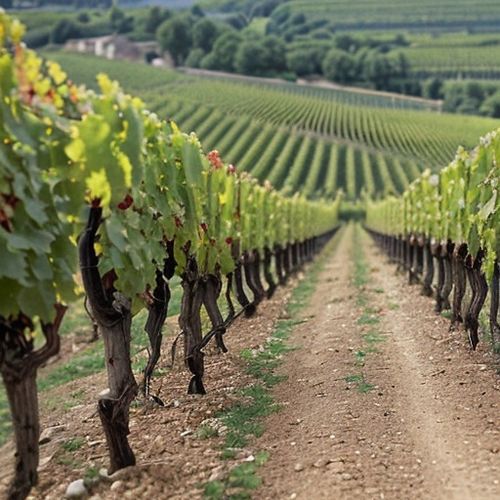
The orientation of grapevine rows in French vineyards is a topic that goes far beyond mere aesthetics or tradition. It’s a decision rooted in centuries of viticultural wisdom, climatic adaptation, and the relentless pursuit of quality. French winemakers have long understood that the direction in which vines face can dramatically influence the character of the wine, from the ripening of the grapes to the management of diseases. This subtle yet critical choice speaks volumes about the interplay between nature and human ingenuity.
Life

Australian Invasive Plant Removal List

By Victoria Gonzalez/Apr 14, 2025

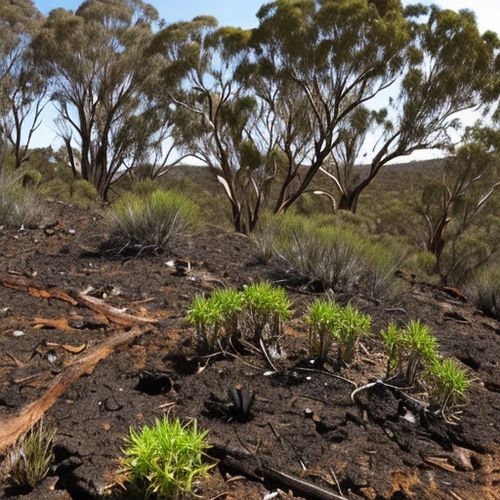
The Australian landscape, renowned for its unique biodiversity, faces an ongoing threat from invasive plant species. These unwelcome botanical invaders disrupt native ecosystems, outcompete local flora, and alter fire regimes across the continent. Land managers and environmental organizations maintain detailed removal lists targeting these problematic species, with eradication efforts varying from suburban backyards to vast wilderness areas.
Life

Japanese Balcony Bonsai Weight Limit

By Grace Cox/Apr 14, 2025

In Japan's densely populated urban areas, balcony gardening has become an essential part of daily life for many residents. However, what most foreign observers don't realize is that these green sanctuaries are governed by strict weight regulations that reflect Japan's unique approach to safety and communal living. These limitations aren't arbitrary restrictions but carefully calculated measures born from architectural standards and collective responsibility in a country where earthquakes and typhoons are frequent occurrences.
Life

Winter Protection for Texas Cacti

By Christopher Harris/Apr 14, 2025

As winter approaches, gardeners and plant enthusiasts in Texas face the annual challenge of protecting their beloved cacti from the harsh cold. While these resilient plants are well-adapted to scorching summers, many species are surprisingly vulnerable to freezing temperatures. The key to successful cactus winterization lies in understanding both the unique needs of these plants and the unpredictable nature of Texas winters.
Life

British Countryside Hedge Trimming Season"

By David Anderson/Apr 14, 2025

The rhythmic snip of shears and the hum of hedge trimmers fill the crisp autumn air across the British countryside as another hedge-cutting season commences. This ancient practice, woven into the fabric of rural life, marks a cyclical dance between man and nature that has shaped the landscape for centuries. Unlike the mechanical precision of urban topiary, British hedge-laying is an art form passed down through generations, where each snip carries the weight of tradition and ecological consideration.
Life

Swedish Feline Forest Travel Gear

By Grace Cox/Apr 14, 2025

In the heart of Scandinavia, where dense forests meet quaint villages, Swedish cat owners have developed a unique culture of feline adventure. The concept of taking cats into the wilderness isn't merely about walks—it's a carefully curated experience requiring specialized gear designed for safety, comfort, and the unpredictable nature of these independent explorers.
Life

Singapore Aquarium Quarantine Period

By Thomas Roberts/Apr 14, 2025

The bustling city-state of Singapore has long been recognized as a global leader in both environmental conservation and the thriving aquarium trade. At the intersection of these two domains lies Singapore's meticulous aquarium quarantine system - a carefully designed biological security protocol that serves as both protective barrier and quality assurance measure for the nation's vibrant aquatic ecosystem.
Life

French Pet Restaurant Access Signage

By Olivia Reed/Apr 14, 2025

In the heart of Paris, a new culinary trend is quietly rewriting the rules of dining etiquette. The emergence of pet-friendly restaurants across France has sparked both enthusiasm and debate among gourmands and animal lovers alike. What began as a handful of experimental cafes welcoming four-legged companions has evolved into a full-fledged movement, complete with its own certification system that promises to standardize the experience for humans and animals alike.
Life

Canada Winter Dog Paw Anti-Freeze Cream

By William Miller/Apr 14, 2025

As winter blankets Canada in snow and ice, pet owners face the annual challenge of protecting their dogs from the harsh elements. While most focus on coats and booties, one often-overlooked product has been gaining attention among veterinarians and outdoor enthusiasts alike: winter paw balms. These specialized ointments create a protective barrier against snow, ice, and road salts that can cause painful cracking and frostbite on canine paws.
Life

German Pet Funeral Environmental Options

By Grace Cox/Apr 14, 2025

As environmental consciousness grows worldwide, Germany has emerged as a pioneer in sustainable pet aftercare solutions. The country's pet funeral industry has evolved far beyond traditional burial and cremation, offering eco-conscious pet owners a range of innovative options that minimize environmental impact while honoring animal companions.