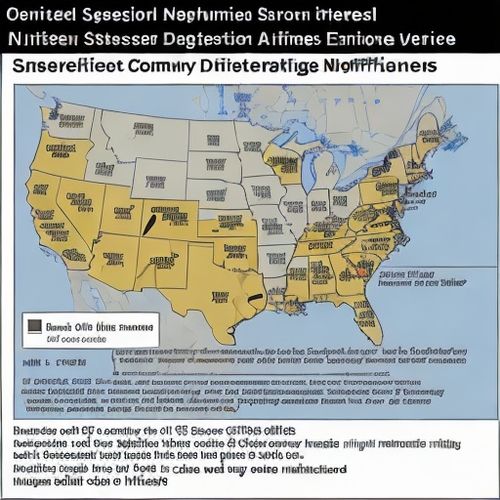
The United States community alert system represents a critical infrastructure designed to keep citizens informed and safe during emergencies. From natural disasters to public safety threats, these notification networks serve as lifelines for millions of Americans. While many residents assume emergency alerts will reach them automatically, the reality is more nuanced. Registration often proves necessary to ensure you receive timely warnings tailored to your specific location and needs.
Understanding how these systems operate requires recognizing the patchwork nature of America's emergency notification framework. Unlike some nations with centralized alert mechanisms, the U.S. system comprises numerous local, regional, and national components that overlap and interconnect. The Federal Emergency Management Agency (FEMA) coordinates the Integrated Public Alert & Warning System (IPAWS), which serves as the backbone for distributing alerts through various channels including wireless emergency alerts, the Emergency Alert System for broadcast media, and NOAA Weather Radio.
Registration processes vary significantly depending on your jurisdiction. Most counties and municipalities maintain their own opt-in alert programs, typically accessible through local government websites. These systems allow residents to specify their preferred contact methods - whether SMS text messages, voice calls to landlines or mobile devices, emails, or even specialized alert radios. Some sophisticated platforms even permit users to select which types of emergencies they wish to be notified about, from flash floods to active shooter situations.
The technological evolution of community alert systems has been remarkable in recent years. Where once these networks relied primarily on sirens and radio broadcasts, modern systems incorporate geo-targeting capabilities that can pinpoint alerts to specific neighborhoods or even individual city blocks. This precision helps reduce unnecessary panic while ensuring those in genuine danger receive crucial information. Many jurisdictions now integrate their alert platforms with traffic management systems, automatically triggering road closures and detour notifications when emergencies occur.
Public awareness remains a persistent challenge for emergency management officials. Despite widespread availability, studies suggest only about half of Americans have actively enrolled in their local notification systems. This participation gap leaves millions potentially vulnerable when disaster strikes. The reasons for low registration rates vary - from simple procrastination to concerns about privacy and data security. Some residents mistakenly believe that weather apps or social media will provide equivalent warning capabilities, not realizing that official government alerts often contain more detailed instructions and activate sooner than secondary information sources.
Special considerations exist for vulnerable populations when it comes to emergency notifications. The Americans with Disabilities Act requires alert systems to accommodate those with visual, hearing, or cognitive impairments. Many jurisdictions now offer specialized alert options such as TTY/TDD compatible services, video relay alerts for American Sign Language users, and simplified text formats for those with developmental disabilities. Travelers and transient populations face unique challenges, as most local alert systems require physical addresses for registration - a hurdle for those living in RVs, boats, or temporary housing situations.
The corporate sector has increasingly partnered with government agencies to expand alert system reach. Many workplaces now integrate emergency notification protocols into their human resources platforms, automatically enrolling employees based on work locations. Similarly, some universities have developed sophisticated multi-channel alert systems that track whether students have acknowledged critical messages. These institutional approaches help compensate for gaps in individual registration rates while creating additional layers of protection for community members.
Testing protocols form an essential but often overlooked component of community alert systems. Regular drills not only verify the technical functionality of notification infrastructure but also familiarize residents with different alert formats and appropriate responses. Many jurisdictions conduct monthly or quarterly tests, though participation rates in these exercises typically mirror the low enrollment numbers seen in the systems themselves. Experts emphasize that hearing a test alert provides valuable orientation - allowing people to recognize genuine warnings when they occur rather than dismissing them as false alarms.
Looking ahead, emerging technologies promise to further transform community alert capabilities. Artificial intelligence applications may soon enable predictive alerting - notifying residents of potential threats before they fully materialize based on sensor data and pattern recognition. The expansion of 5G networks could support richer alert content including interactive maps and real-time video instructions. However, these advancements will require continued public education efforts to ensure all community members can access and benefit from enhanced protection measures.
The responsibility for emergency preparedness ultimately rests on shared participation between government agencies and individual citizens. While officials work to maintain and improve alert infrastructure, residents must take proactive steps to register for and maintain their notification preferences. In an era of increasing climate volatility and complex public safety challenges, these systems represent one of our most effective tools for collective resilience. The few minutes required to sign up could make all the difference when seconds count during an actual emergency.

By Victoria Gonzalez/Apr 14, 2025

By Sophia Lewis/Apr 14, 2025

By Laura Wilson/Apr 14, 2025

By William Miller/Apr 14, 2025
By Victoria Gonzalez/Apr 14, 2025

By Natalie Campbell/Apr 14, 2025

By Benjamin Evans/Apr 14, 2025

By George Bailey/Apr 14, 2025

By Amanda Phillips/Apr 14, 2025

By Joshua Howard/Apr 14, 2025

By Emily Johnson/Apr 14, 2025

By Victoria Gonzalez/Apr 14, 2025

By Grace Cox/Apr 14, 2025

By Christopher Harris/Apr 14, 2025

By David Anderson/Apr 14, 2025

By Grace Cox/Apr 14, 2025

By Thomas Roberts/Apr 14, 2025

By Olivia Reed/Apr 14, 2025

By William Miller/Apr 14, 2025

By Grace Cox/Apr 14, 2025